The Rhythm of Kyoto's Raked Sand and Cedar Lodges
How Zen courtyard architecture, cypress bathtubs, and unadorned tatami spaces teach us to decompress.
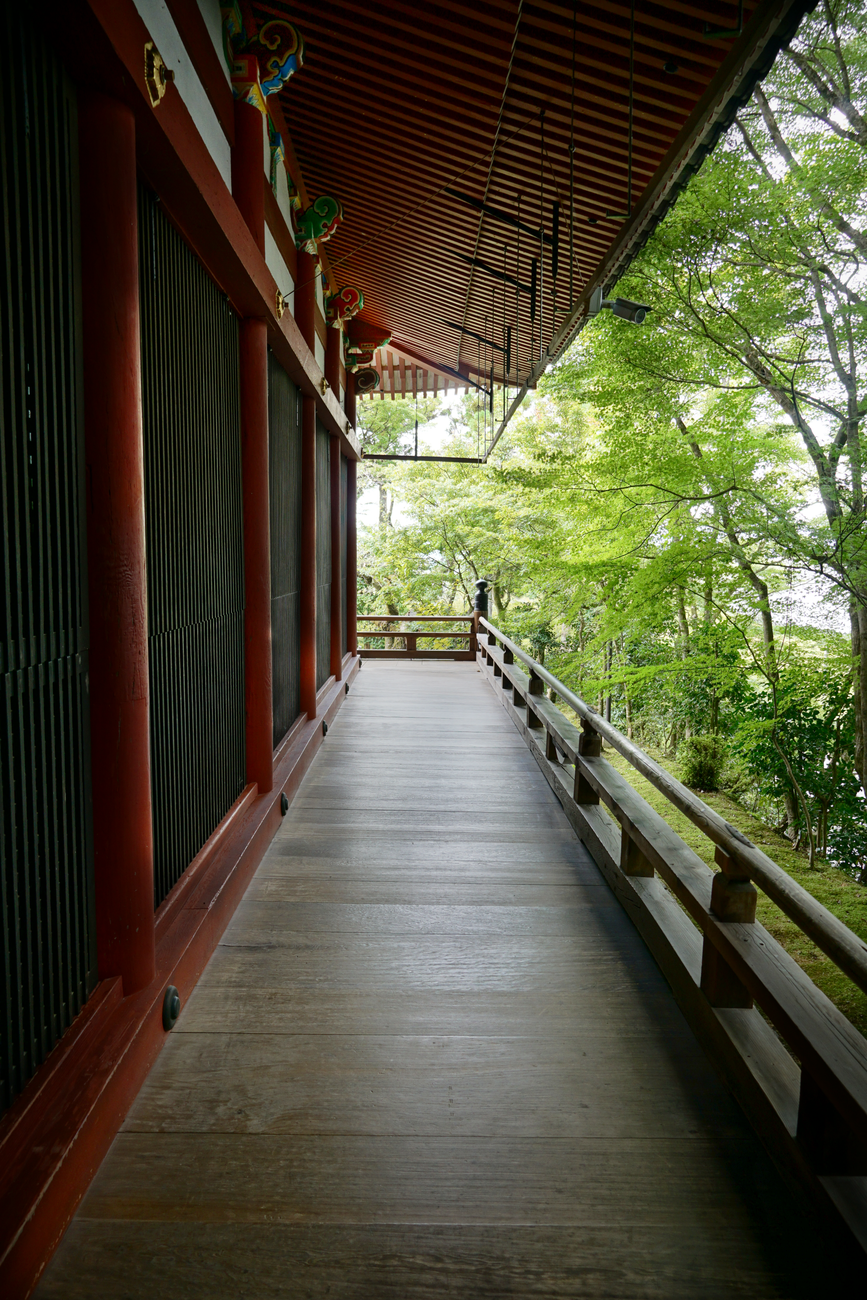
When rain falls on the gravel forecourt of a sub-temple in Daitoku-ji, it does not sound like urban precipitation. The water droplets strike individual stones with soft percussive clarity, absorbed immediately into subterranean charcoal drainage designed during the Muromachi period.
1. Architecture of Emptiness (Ma)
In western architectural discourse, space is defined by walls, enclosures, and solids. In Japan, space is articulated by interval—the deliberate silence between notes, the shadow cast by shoji sliding paper partitions, the void in the dry rock garden (karesansui). In this quiet, one feels the body settle.
"To enter a traditional Kyoto tea room through the low nijiriguchi portal is to shed vanity, social hierarchy, and urgency at the doorstep."
2. The Hinoki Experience
Staying at an unadvertised three-room ryokan along the Kamogawa river, the scent of aromatic cypress (hinoki) envelops the visitor. There are no televisions, no loud mechanical alarms. Dinner is served on antique lacquerware: wild fern shoots, tofu simmered in spring water, and sweet river trout grilled over binchotan charcoal.
3. Cha-no-yu Mindset
The practice of tea is fundamentally an exercise in paying total attention to a single moment. Hot water whistling in the iron kettle, the whisk foaming the powdered jade tencha, and the respectful turn of the ceramic bowl. When we step back out into the world, our senses are re-tuned to subtle nuances.
Seeking Contemplative Travel in East Asia?
Our editorial team regularly compiles curated notes on quiet temple lodgings and artisan pottery communities.
Inquire with Editors